How to Choose the Right OEM Surf Supplier
Surf brands should choose an OEM supplier by total project risk, not the lowest quotation alone. A capable supplier needs to understand the product, target user, sales channel, sample standard, customization limits, packaging and the records required for repeat orders. Missing any of these points can turn a small saving into extra samples, delayed launches, incorrect labels or customer complaints. This guide shows how brands, distributors and retail buyers can evaluate an OEM surf factory before committing to production. It also explains what information to prepare for fins, leashes, traction pads and bodyboards so the supplier can quote and sample accurately. Use the questions below to compare product experience, communication, quality control and long-term support.
Choosing the Lowest Price Before Checking Product Experience
Price is important. No buyer wants unnecessary cost.
However, the lowest quote is not always the best deal.
In surf product sourcing, a low price can become expensive if the supplier does not understand the product details. The first sample may need several revisions. Packaging may not match the retail channel. Also, bulk production may not match the approved sample.
As a result, the buyer may spend more time fixing problems than building the product line.
Surf products are not generic items.
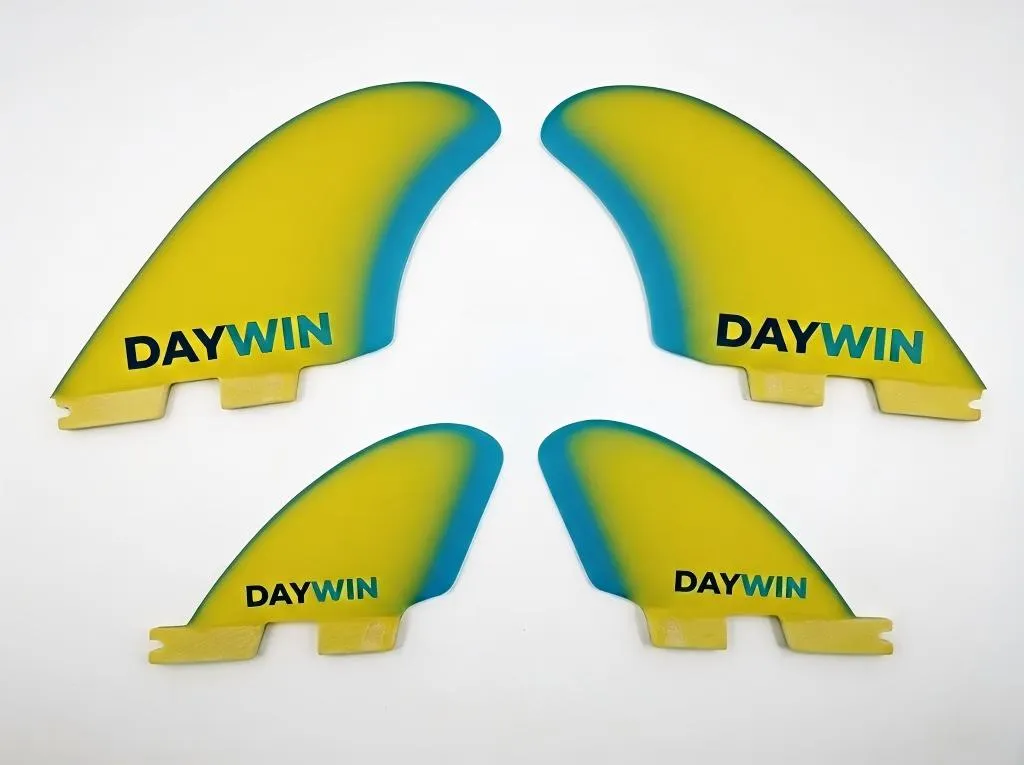
Surfboard fins need more than a clean outline and logo. Buyers also need to think about the fin system, base thickness, tab position, screw hole, box compatibility, and packing protection.
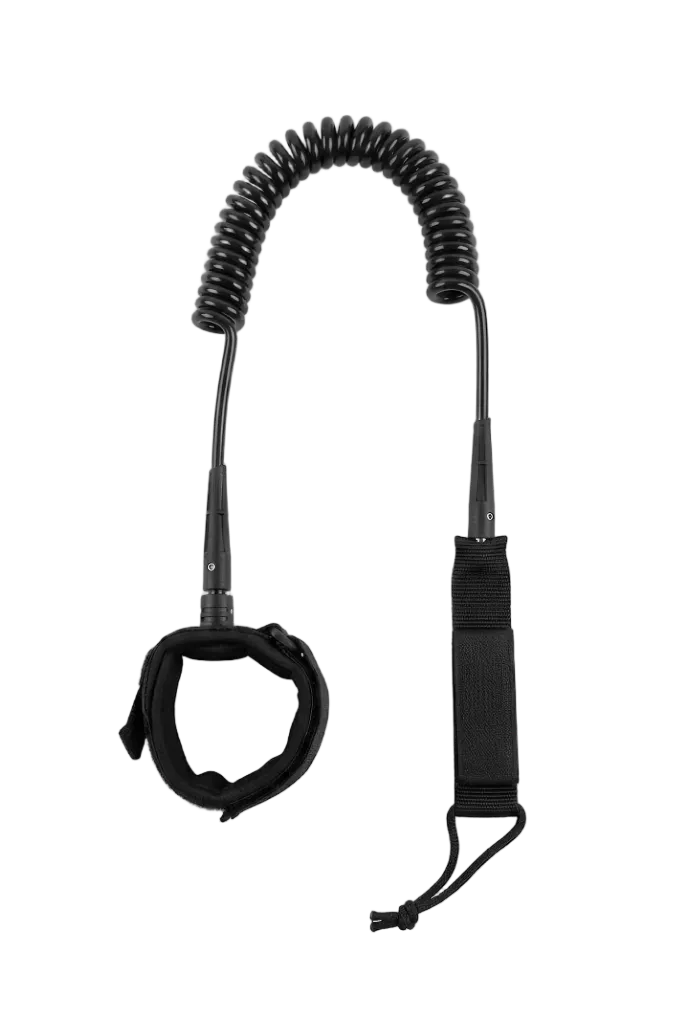
Surfboard leashes are not only about length and color. The cuff, swivel, rail saver, cord, stitching, and connection points all affect real use.
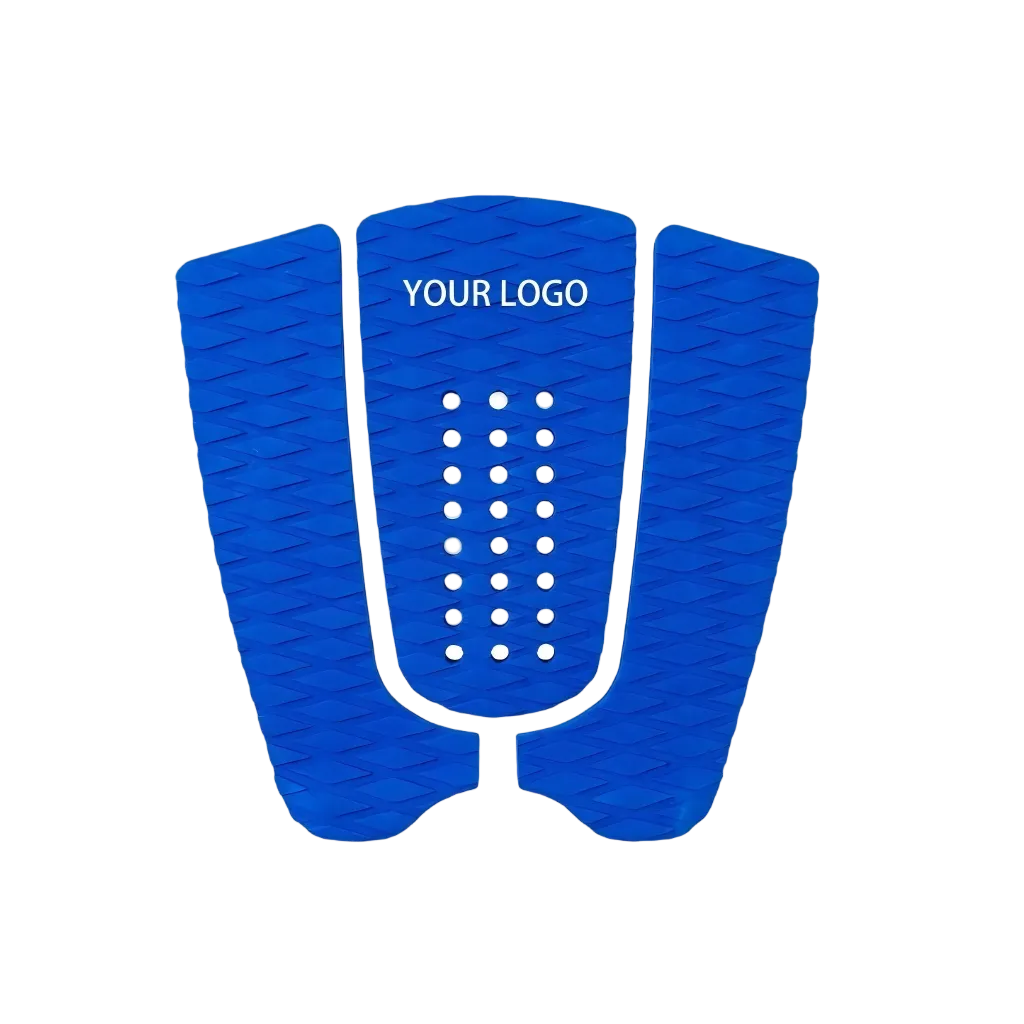
Traction pads need the right EVA thickness, groove pattern, kicktail shape, arch bar, adhesive backing, logo position, and packaging.
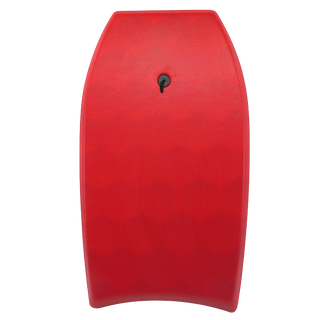
Retail bodyboards need clear size planning, printed graphics, PP bottom, barcode labels, carton marks, and PDQ display planning.
Because of this, the supplier should understand these product differences. Otherwise, the buyer may get a low unit price but a high project cost.
Starting an OEM Project With Vague Specifications
In practice, many OEM problems begin with a vague inquiry.
A buyer writes:
We need custom surf products with our logo. Please quote.
That sounds clear, but it is not enough for accurate pricing or sampling.
The supplier still needs to know what product, what size, what material, what logo position, what packaging, what quantity, and what market the product is for.
A surf shop private label order is different from a supermarket retail program. A distributor’s product range is different from a startup brand’s first test order. Also, a product for beach shops may need different packaging from an online-only product.
Before asking for a quote, buyers should prepare:
- Product type
- Target market
- Sales channel
- Order quantity
- Size or shape requirement
- Material preference
- Logo file
- Color reference
- Packaging style
- Barcode needs
- Retail display needs
- Shipping destination
- Target delivery date
The brief does not need to be perfect. Still, it should give the supplier enough information to understand the project direction.
A clear brief saves time. It also helps the supplier give better suggestions during the first reply.
Approving Samples Too Quickly
Samples are not just for photos.
They are the bridge between the buyer’s idea and bulk production. Once a sample is approved, it often becomes the production reference.
For this reason, sample review should not be rushed.
A clean-looking sample can still hide problems. A fiberglass fin may look good but fit poorly in the target fin box. A leash may have the right logo but weak connection points. A traction pad may look correct in color but feel too thick, too thin, or different from the expected groove pattern.
Buyers should review samples from several angles:
- Product size
- Material feel
- Logo position
- Color match
- Functional details
- Fit or assembly
- Packaging style
- Barcode or label position
- Carton information if needed
For surfboard fins, fitment matters as much as appearance.
For leashes, connection points matter as much as color.
For traction pads, EVA structure matters as much as logo.
For retail bodyboards, SKU and packaging details matter as much as printed graphics.
Therefore, a good sample process can prevent many bulk order disputes.
Leaving Packaging Until the End
Packaging is often treated as the last step. For retail buyers, that is a mistake.
Packaging affects how the product is displayed, scanned, stored, shipped, and restocked. It also affects how professional the product looks in the market.
In surf product programs, packaging may include:
- Polybag
- Header card
- Retail card
- Hang tag
- Barcode label
- SKU label
- Color sticker
- PDQ display
- Carton mark
- Shipping carton
A small surf shop may only need simple packaging. However, a retail chain or supermarket may need barcode labels, size marks, carton labels, and display-ready packing.
If packaging is discussed too late, the whole order can slow down.
Sometimes the product sample is approved, but the packaging is still unclear. Then the buyer has to make last-minute changes before production. That creates stress for both sides.
A better approach is to talk about packaging at the beginning.
At the same time, packaging should match the sales channel. A surf shop program, an online brand, a distributor program, and a supermarket project may all need different packaging.
Assuming Every Surf Product Is Easy to Customize
Customization is useful, but not every product should be customized in the same way.
Some surf products are suitable for visible branding. Others are better kept as standard parts.
Products that often work well for logo, color, or packaging customization include:
- Surfboard leashes
- SUP leashes
- Traction pads
- Fiberglass fins
- Selected surfboard fins
- Retail packaging
These products have visible branding areas. They can help a brand build a clear product line.
However, some parts are not ideal for deep customization.
Examples include:
- Screws
- Plates
- Small hardware
- Leash plugs
- Air vents
- Some plastic molded parts
- Some fin boxes
For these parts, buyers should focus more on size, material, fit, corrosion resistance, sealing, and stable supply.
Plastic molded parts need extra care. If the buyer wants a new shape or new structure, tooling may be required. That can increase cost, MOQ, and development time.
In many cases, a standard part with suitable packaging is more practical than a new molded part.
A practical OEM surf supplier should not say yes to every custom idea too quickly. A better supplier will help the buyer decide which products are worth customizing and which products are better purchased as standard parts.
Misunderstanding Low MOQ
Low MOQ is attractive, especially for new surf brands.
But buyers need to understand what low MOQ really means.
Low MOQ may work for existing models, standard materials, simple logo projects, or small packaging changes. However, it may not work well for new molds, many colors, complex packaging, or too many SKUs.
For example, a new brand may want:
- Five leash colors
- Three traction pad shapes
- Four fin templates
- Custom packaging for every item
- Several logo positions
This may look like a strong product line. But for a first order, it may create too much MOQ pressure.
A better first program is often simpler:
- Fewer core products
- Fewer colors
- Clear logo placement
- One or two key product categories
- Standard packaging with brand label
- Room to expand after sales data
This helps the buyer test the market with less risk.
Also, it makes production and packaging easier to manage.
A reliable OEM surf supplier should explain MOQ clearly. They should also help the buyer find a practical starting point, not just push a larger order.
Working With a Supplier That Cannot Support Long-Term Growth
Some suppliers can make one product. Fewer suppliers can support a product line over time.
This matters for surf brands.
A buyer may start with leashes. Later, they may add traction pads, fiberglass fins, retail bodyboards, fin boxes, or related packaging.
If every product comes from a different supplier, the buyer may face more communication work. Color matching, logo consistency, packaging style, carton marks, and delivery timing can become harder to manage.
This does not mean one factory must produce everything.
Still, the main OEM surf supplier should understand how the buyer’s product line may grow.
Long-term support may include:
- Repeat order management
- Sample record keeping
- Seasonal color updates
- Packaging changes
- SKU planning
- Consistent logo use
- Retail-ready packing
- Stable communication
For distributors and retail buyers, this is especially important. They are not only buying a product. They are building a program that needs stable supply.
Trading Company or Direct Factory: Which Is Better?
There is no single answer.
A trading company may help when the buyer needs many unrelated product categories. It can combine different sources and manage several suppliers.
A direct factory may be better for deeper product development. It can also give clearer production feedback and more direct cost control.
Here is a simple comparison:
| Comparison Point | Trading Company | Direct Factory |
|---|---|---|
| Product sourcing | Can combine many categories | Better for focused product lines |
| Communication | More middle steps | More direct |
| Cost control | Less transparent | Easier to understand |
| Customization | Depends on factory partners | More direct product discussion |
| Sampling | May need more coordination | Faster feedback in many cases |
| Quality tracking | Depends on external factories | Easier to trace production |
| Long-term development | Useful for mixed sourcing | Better for stable OEM programs |
For surf brands that want long-term OEM product development, a factory-direct partner is often easier to work with.
However, the factory still needs real surf product experience.
A factory that understands general plastic products but does not understand surf products may still create problems.
What Buyers Should Ask Before Choosing an OEM Surf Supplier
Before starting an OEM project, buyers should ask practical questions.
These questions can show whether the supplier is only quoting or truly helping the buyer build a product program.
Useful questions include:
- What surf products do you specialize in?
- What is the MOQ for each product?
- Which products support low MOQ customization?
- Can you customize logo, color, and packaging?
- Can you provide retail-ready packaging?
- Do you support barcode labels and carton marks?
- How does your sample process work?
- Can the approved sample guide bulk production?
- How do you control production consistency?
- What information do you need for an accurate quote?
- Can you support repeat orders?
- Do you have experience with brands, distributors, or retail buyers?
The answers do not need to be complicated. But they should be clear.
If the supplier cannot explain the sample process, the buyer should be careful. The same applies to packaging options, MOQ logic, and production control.
What Buyers Should Prepare Before Requesting a Quote
In practice, a clear quote request makes the whole process faster.
Before contacting an OEM surf supplier, buyers should prepare:
- Product name
- Target market
- Sales channel
- Expected order quantity
- Size or specification
- Material requirement
- Logo file
- Color reference
- Packaging style
- Barcode or label needs
- Shipping destination
- Target delivery date
For private label projects, buyers should also prepare the brand direction.
A surf shop private label line may need simple packaging and low MOQ. A supermarket bodyboard program may need PDQ display, barcode labels, and carton marks. A distributor may need stable restocking and flexible packaging.
As a result, a clear project brief helps the supplier quote, sample, and produce with fewer mistakes.
FAQ
What is an OEM surf supplier?
An OEM surf supplier is a manufacturer that produces surf products for brands, surf shops, distributors, or retail buyers under their own logo, color, packaging, or product requirements.
How do surf brands choose the right OEM supplier?
Surf brands should check product experience, MOQ, sample support, customization ability, packaging options, production consistency, and communication quality before placing bulk orders.
Is the lowest price the best choice for OEM surf products?
No. A low price can lead to higher total cost if the supplier lacks product experience, packaging support, or stable production control.
What surf products can be made by OEM suppliers?
Common OEM surf products include surfboard fins, fiberglass fins, surfboard leashes, SUP leashes, traction pads, bodyboards, fin boxes, iSUP components, and retail packaging.
Why is sampling important for OEM surf products?
Sampling helps buyers confirm product size, material, logo, color, packaging, fit, and function before bulk production. It also reduces the risk of sample-to-bulk differences.
Can all surf products be customized?
No. Leashes, traction pads, fiberglass fins, and packaging are often easier to customize. Some plastic molded parts, screws, plugs, vents, and small hardware may be better purchased as standard parts.
Should new surf brands choose a direct factory?
A direct factory can be a good choice for brands that need long-term product development, better cost control, and direct communication. However, the factory should have real surf product experience.
What should buyers prepare before requesting a quote?
Buyers should prepare product type, quantity, size, material, logo file, color reference, packaging needs, target market, shipping destination, and delivery schedule.
