5 Proven Glued XPE Bodyboards Secrets to Boost Profit
As a buyer for a large retail store, your job is a strict math problem. You must balance low factory prices with high shipping costs. You also need to keep product return rates low.
Within your summer product line, the glued XPE bodyboard is hard to buy. It is a great tool for high profit margins. However, it also brings a high risk of customer complaints.
Do not trust factories that promise perfect boards. Instead, use this practical B2B guide. It is based on facts, physics, and pure math.
The Retail Strategy: Why You Need Glued XPE
You need a clear price ladder on your store shelves. Cheap EPS bodyboards drive foot traffic. But they offer very low profit margins. Expensive heat-laminated boards cater to pros. They do not sell in high volume.
Glued XPE boards fill the huge profit gap in the middle. XPE foam looks and feels premium. It features a closed-cell surface. Because of this, buyers will gladly pay a higher retail price.
This brings you a highly lucrative chance. You secure a product with a low factory cost. It delivers a great single-unit profit margin on the retail floor.
Facing the Physics: The Truth About “Bubbling” Risks
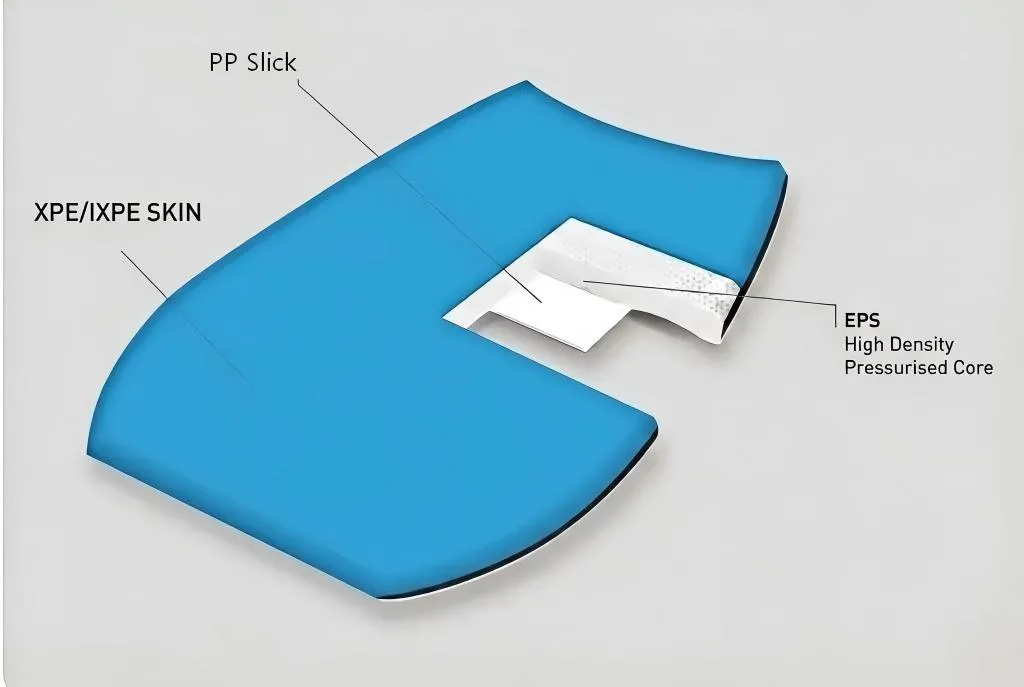
When you talk to a supplier, listen to what they say about heat. Does a factory claim their glued boards will never bubble in the sun? If so, they are lying. You must look at the real physics.
A bodyboard has an EPS foam core. This core holds millions of tiny air pockets. When the dark XPE deck gets hot on the beach, this air expands. This makes a huge outward pressure. Eventually, this heat will break any glue on the market. Bubbling under extreme heat is pure physics, not a factory defect.
So, how do you manage this risk? Do two things:
- Demand Proper Curing: Ensure your OEM uses strong glue. Make sure they use proper curing times. Do not let factories rush this step to meet a tight deadline.
- Use Warning Labels: Print clear warning labels on your packaging. Write “Avoid Direct Sun & Extreme Heat.” When a buyer leaves a board in a hot car, it will bubble. Your team can use this label to reject the unfair return claim.
The Landed Cost Choice: Polybag vs. Carton
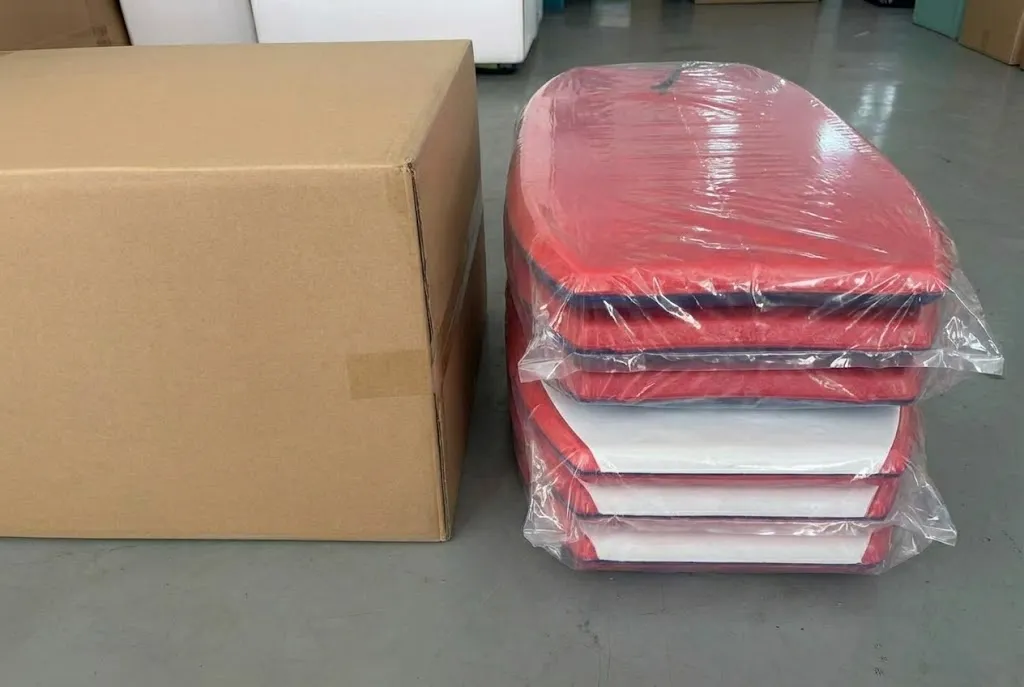
The FOB price is only half the story. Your true profit depends on the landed cost. You must pick the right packaging strategy for your specific store. There is no perfect choice. It is just a math problem.
- Strategy A: Maximize the Container (Polybags). Does your store rely on deep discounts? Use bulk polybag packing. We nest the boards tightly. This fits the most boards into a 40HQ container. Your shipping cost per unit drops heavily. But, the soft XPE decks may get small pressure marks during the sea trip.
- Strategy B: Perfect Retail Display (Cartons). Do you sell to mid-tier or high-end buyers? Shelf appeal is vital. You must use rigid carton packing. Cartons stop the boards from crushing each other. This stops pressure marks entirely. But, cartons take up more space. Your shipping cost per unit will go up slightly.
Choose the packing method that fits your target buyer.
Avoid Wasted Money: Cost-Matching Your Surf Leashes
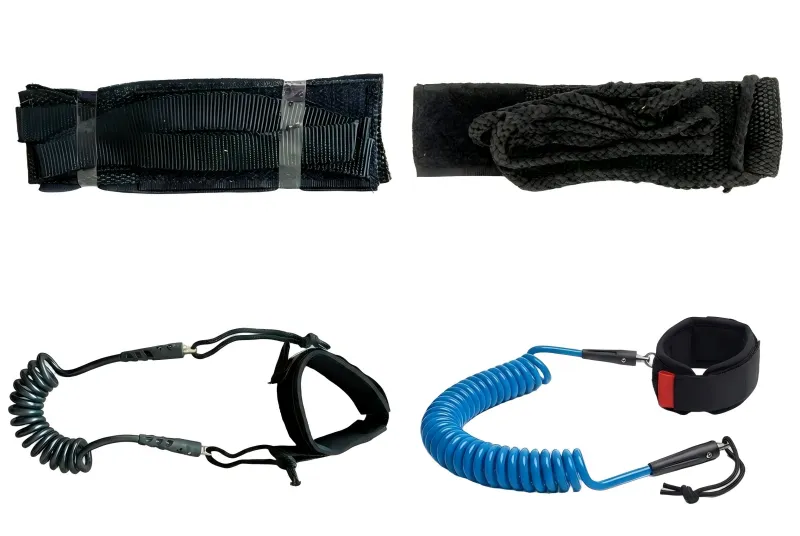
Do not waste money on overly fancy hardware. The cost of your surf leashes must match the retail price of the board.
If you buy a budget-friendly glued board, do not add an expensive leash. It will eat your profit.
- Keep Costs Low: For standard volume orders, basic PP webbing leashes are best. They cost pennies. They are very durable for casual beach users. They protect your wholesale margins.
- Know When to Upgrade: Only upgrade to premium TPU leashes if your retail price is very high. Premium TPU leashes are costly. They use imported TPU. They also feature stainless steel parts and soft cuffs. Do not waste money on these features if your buyers will not pay for them.
Set Strict Rules with AQL 2.5/4.0
When you send your Purchase Order, do not expect a flawless batch. Instead, use global quality rules.
You should demand an AQL 2.5/4.0 inspection in your contract. This standard accepts tiny, normal flaws. However, it creates a hard wall against huge failures.
This ensures that major errors—like massive delamination—are caught early. Finding these issues at the factory is the best way to secure your supply chain.
Conclusion: Partner with an Honest Factory
Finding a good B2B bodyboard supplier is tough. Do not just look for the lowest price online. You need a partner who tells the truth. You need a factory that knows container math and respects physics.
At Daywin Watersports in Zhoushan, we work on this core business logic. We protect your landed costs. We follow your packing rules exactly. We know our factory lines only keep running if your retail margins are safe.
Would you like to review our AQL inspection lists? Or, would you like to discuss container yields for polybag vs carton packing?
